Saturday, June 11, 2011

"I'm Sykes!"

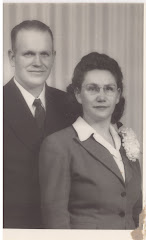
Walter Simmons Robb
My father was the bravest, strongest man in the whole world.  He knew everything, and could fix anything that needed fixing.  Snakes and spiders didn't bother him at all, and as far as I could tell being in high places didn't bother him either.  He was my hero.  I couldn't imagine daddy being afraid of anything, so you can only imagine my surprise when he told me this story.

He was just a little boy at the time, playing with some friends in the streets in Cowley.  The boys were running and playing and having a pretty good time, when a man came into town riding on a horse.  He was a short, powerfully built man, dressed in buckskins.  He had a big mustache and an old slouch hat.  He stopped his horse and looked down at the boys, then he told them to get off the streets.  Now the fellow was kind of scary, but they didn't want to stop their fun.  Anyway, they couldn't think of any reason why they should do anything this man told them to do, so they said, "Why, who are you?"  His reply was, "I'm Sykes!"  That's all it took.  The boys scattered and daddy said he was so scared he ran all the way home and hid under his bed.  Then I understood, everyone was afraid of Sykes, I was, and he had been dead for years.

As kids, we had heard about Sykes.  I never knew his first name, I didn't know anyone who called him by his first name, but everyone knew who Sykes was.  He was a legend where I grew up.  We heard about the gold he buried in the hillsides going toward Yellowtail.  We dreamed about finding his gold stach and becoming rich.  When we drove through "Syke's range" I looked carefully at the side hills searching for the perfect spot to hid a treasure.  When we were a little older and could drive, we sometimes drove up to his cabin which was on the way to Dryhead, and we would walk around and talk about the stories we heard about him.  One of the big ones, besides the gold, and we heard he may have eaten his wife, was how he died.  He died in his cabin, and someone went up to visit him a few days later and found him slouched in his bed.  His neighbors dug a hole in front of the cabin door, wrapped him up in the blanket and pulled him into the grave with grappling hooks,  then covered  him over with dirt.  We liked going in the old cabin to look around.  I always took as big a step as I could so I wouldn't step on his grave.  Well, that's what we heard anyway. 

Frank Sykes - Squaw Man
January 1854 - August 1921
Now that I'm older, I have learned that Sykes' had a name.  It is Frank, Frank Sykes, and he had a family.  The following are some stories I found about Frank Sykes.  His reputation was well deserved and the stories are full of people we knew or heard of while growing up in Lovell and Cowley. 

In the 1890s, Frank Sykes built a cabin on Crooked Creek. The cabin occupied a piece of high ground, giving views in all directions. Sykes selected this place not for the stunning beauty of the area; instead it was because he didn’t want anyone sneaking up on him.

Frank Sykes Cabin
Where Sykes came from was as legendary as his life. Some said Michigan, others Canada, acquaintances all agreed that he had been raised by Shoshone Indians and become a mountain man before settling down.

How he got to the Crooked Creek area was disputed almost as much as his wife's death. Some say she died during childbirth, others that she was killed while defending Sykes from an attacker. She was buried near the cabin, but not on Sykes property. It was said that she was a little too friendly with some men in Billings. Perhaps just rumors or legends, when it came to Sykes the truth was always larger than life.

Graves of Frank Sykes and family

Tanning Day
Sykes was extraordinarily eccentric. Short and powerfully built, he dressed in buckskins, sported a black slouch hat, and wore a handlebar mustache. He always had his trusty single-action Colt 44 at his side.  My brother Rick said he lost his eye while riding a horse.

He tanned his own clothing. When this was in progress he posted a sign on his mail box stating, “No Visitors Today. This is Tanning Day.” One intrepid visitor found out why, Sykes tanned in the nude.

Until The Day He Died
Sykes, suspicious at best, was said to have worn a pistol on his side all the time, literally until the day he died. He supposedly kept a “Death List” of those who had crossed him. These included men or women who had committed relatively minor offences. One woman, a Mrs. LaRoche, ended up on the list for siding with Sykes wife, when the couple was having a dispute.

A man by the name of George “Starky” Teeples made the list after he asked Sykes for a few of his plum trees. Sykes agreed, as long as Teeples did not take any of Mrs. Sykes trees, but Teeples took Mrs. Sykes trees anyway. It wasn’t long until Frank Sykes found Teeples, pulled his gun and made Teeples cut the trees into tiny little pieces.

A Third Helping
Sykes would only eat one course at a meal. Another Crooked Creek settler, George Kelsey joined Sykes for one of these meals, potatoes cooked in rancid bear grease. Sykes literally shoved a skillet in front of Kelsey for not one, but two helpings. He refused a third, only to have Sykes pull out his Colt 44 and demand that Kelsey “go ahead and finish up these spuds because you are going to eat potatoes just like that horse of yours is eating my hay!” Kelsey ate potatoes until he was sick.

Colorful stories such as this abound when it comes to Sykes. In the late summer of 1921, Sykes was found by a young friend who had stopped by the cabin for a visit, slumped on his bunk, dead. His Colt 44 was hanging in a gun belt on the bed post, within reach of its legendary owner.

**********************

Fascinating History of Crooked Creek Country
and more stories of Frank Sykes.
The Homestead Era

by David Harvey, 1974

“The Land God Forgot” – Bessie Tillett of Crooked Creek, Montana

The Strong and Tillett families have influenced much of the history of the Pryor Mountains. Bessie Strong Tillett (born November, 1889) and Edna Strong Anderson (July, 1885) came with their parents to the Lovell area in 1894. Their parents opened the successful Strong Hotel and Saloon in Lovell. Frank was also involved in the building of the first irrigation canals in the Lovell area. “In 1903, the Strongs bought the Hugh Kelsey ranch and two others on Crooked Creek.”  A few years later, the whole Strong family moved to Crooked Creek to live.

Frank Strong also had contracts with the government to carry the mail to the Dryhead, Crooked Creek and Kane area. Edna carried the mail by horseback for a number of years. Bessie also carried the mail on and off between 1905-1910.

Around 1902, Frank Strong and others were involved in a shooting spree near Medicine Creek (previously known as Davis Creek) in the Dryhead country. It all got started when Frank Strong decided to have the Ewing boys run some of his cattle in the Dryhead. Link Hannen and Marry Mogan, Dryhead ranchers, did not take much to what they considered encroachment of “their” range. So Hannen and Mogan rimrocked 28 of Strong’s cattle in the Big Horn River! Hearing of this, Frank Strong, Lee Ewing and Ed Morse headed toward Hannen’s ranch near Medicine Creek to even the score. A shootout occurred and Ed Morse was slightly wounded. Frank Strong, thinking Morse was dead, and Ewing nowhere to be seen, “got the terrible feeling that he was facing Hannen and his henchmen alone, so he ran for the nearest horse and vacated the area as fast as possible. As the story goes, Hugh Kelsey is supposed to have seen Frank riding toward town and started after him to give him a letter mail. Frank, thinking that he was being pursued by Hannen, nearly killed his horse getting away.”  After the shootout, Hannen became paranoid over the fact that maybe Strong and his men would return. So Hannen stayed indoors for a good while. When he had to venture from his cabin to get water, he would disguise himself in his wife’s clothes in order not to get shot at.

Bessie Tillett said no one was arrested for rimrocking her father’s cattle. She remembers Hannen being arrested many times in his life, but he was never convicted.

Around the same, time, Edna strong married her first of three husbands, Jim Kelsey. Not too long after, Hugh Kelsey, who had come back to Crooked Creek around the time of the Strong –Hannen incident, asked his brother to hide him from the law. Hugh had been arrested in Livingston, Montana, for cattle rustling, but had jumped bail. Hugh, as mentioned in the Sage Creek chapter, had been involved earlier in cattle rustling around Crooked Creek. Years later, it was reported that cowhides were found in the roof of Hugh Kelsey’s barn! Anyway, Jim hid Hugh down at Frank Sykes’ place, then Edna took Hugh on her horse to Kane to catch the train to escape from the law. As the story goes, Edna complained bitterly about Hugh, because his suitcase wore the hide off her horse! Later, Hugh Kelsey made his way to Canada, “and established a ranch on the Peace River”.

“After the turn of the century, most men in the northern Wyoming area did not wear guns, unless they were riding the open range or expecting trouble. Frank Sykes, however, wore his pistol all the time, up until the day he died.”  Before Frank Sykes came to Crooked Creek, he lived among the Shoshone Indians in central Wyoming. He was a mountain man and a trapper. In the early 1890s, Sykes and his wife Ann Forsche, “squatted” on Lower Crooked Creek near Sykes Spring, just south of the “ceded strip.“ Sykes’ cabin is near the road that leads into the Dryhead. “He built the cabin on high ground, so as to command all approaches.”  Sykes was suspicious of everyone, one reason he wore his pistol all the time. If one crossed Sykes, that person most likely would end up on Sykes” “Death List”. Sykes had no intention of going out and hunting down his “enemies”. But if his “enemies” were wise, he or she would not go near his place. “Mrs. Warren LaRoche, wife of a French-Canadian who had settle on Lower Crook Creek in 1895, had befriended Mrs. Sykes (whom Frank was not on good terms with), possibly siding with her on a dispute with Frank. She earned a place on the ”Death List!”

Jim Kelsey almost earned a place on Sykes; “Death List”. Jim was a good friend of Sykes, but he too had to be careful not to cross Frank. One time Jim stopped in to visit, leaving his horse outside eating hay. Sykes was preparing a dinner of potatoes cooked in bear grease. Sykes offered Jim some, which he politely took. When offered more, Jim declined. Sykes became incensed and put his hand on his gun and forcefully told Jim, “Go ahead and finish up these spuds, because you are going to eat potatoes just like that horse of yours is eating my hay.”  Jim gained an aversion towards potatoes whicih he never got over.

George “Starky” Teeples did gain a place on the “Death List”. One time Teeples asked Sykes if he could have some of his young plum trees, planted near Sykes’ cabin. Sykes said okay but warned Teeples not to take any of his wife’s trees. But Mrs. Sykes’ trees looked better to “Starky” so he took them instead. When Sykes found out, he went straight to Teeples’ place, drew his gun and forced Starky to cut them up into little pieces. He told Starky to “never come near his place again.”

As Rulon Crosy said in his study on Crooked Creek settlers, “They were hospitable to those who deserved hospitality and were willing to fight to preserve that which they had worked hard for.” The pioneering, shooting and rustling that took place on Crooked Creek was typical of frontier cattle-raising areas in America.

Hiram Bischoff of Lovell knew Frank Sykes. Sykes used to come into Lovell with his wagon to get supplies. Several times Sykes would stay overnight in Dad Bischoff’s blacksmith shop. Hiram also used to get plums from Sykes’ place! A Lon Cribbs, former stage driver, claimed Sykes was a “nice man, he wasn’t like a westerner or theses guys that were so rough. He was very quiet….” Frank Sykes died quietly in his cabin, during the early twenties.


**********************


E. Frank Sykes, A Colorful Wyoming Pioneer
Born January 1854 in Michigan; Died August 1921 in Wyoming
Many tales and legends exist about this man who fascinated all who knew him, or knew of him. Several of Wyoming's local historians and journalists have written often about ‟Old Sykes”. Stories have appeared in the Basin (WY) Republican Rustler (October 3, 1941); a book published by Big Mountain Press, Denver, CO in 1966 titled Pioneers of the Big Horn; True Stories of the Yellowtail Country by Bill Scott; an article in the Lovell (WY) Chronicle ca 1968 titled Colorful Characters Who Helped Settle This Area; and an article in the Casper (WY) Star Tribune (May 6, 1979) titled Buffalo graze around old cabin. Eventually another book titled Lovell Our Pioneer Heritage, by Rosa Vida Bischoff Black, was published by Olympus Publishing Co., Salt Lake City, UT, in 1984. The chapter on Frank Sykes in this book is largely a compilation of the stories from each of the other sources, but Mrs. Black included several items not previously recorded, and a picture of Sykes. Now it's my turn to write about him.

I first became aware of this interesting character in 1988 while researching my grandmother's parents, Victor (direct descendant of Richard and Phebe Sikes) and Jessie Mary Elgie Sykes, who were among the first to settle in the Big Horn Basin of Wyoming in the 1890s. Lilas Skovgard was a historian and researcher who lived in Basin, WY. We got to know each other when I sent a query to the local newspaper requesting my grandmother's obituary. Lilas was the lady who responded and became interested in my search for family information. She frequently sent me items she would find in the old newspapers. One day a package arrived with a note from Lilas. It contained many articles and photocopies from the items mentioned above, on Old Frank Sykes, as well as some photographs she had found for me. Lilas said she didn't know if Old Frank was a part of my family or not, but she rightfully thought I would like to have this information.

I studied the articles and stories and extracted all the facts that could be documented. The 1900 census recorded E. F. Sykes and gave the month and year of his birth as Jan 1854, age 46, and the place of birth was Michigan. He was enumerated as a widower, a farmer who could read, write and speak English and who owned his farm free of mortgage. In 1910, the census recorded E. Frank Sykes as a widower born in Michigan with his father being born in Wisconsin and his mother being born in Illinois. He was a 56 year old Stock Ranchman who worked on his own accord and could read and write and owned his farm free of mortgage. In 1920 Franks's age was listed as 65 and only one thing had changed in the enumeration – the birth place of his father was recorded as Pennsylvania. A search of earlier census years, attempting to locate Frank as a young man with his family in Wisconsin, Michigan or Pennsylvania was not successful. This would lend credit to Mrs. Black's statement in her work that Frank came to Wyoming from Canada.

It was believed by those who knew him, that Frank Sykes was raised by the Indians in the upper Michigan country. Mrs. Black wrote, ‟Sykes was a ‛squaw man.' His first Indian wife died in childbirth. The second is believed to have been killed while defending her husband against an Indian brave.” He was described in one account as a big heavy muscled man always wearing buckskin clothes, a handlebar moustache and an old .45 dangling at this hip. He had only one eye the other being lost when a thorn became imbedded in it. Mrs. Black wrote, ‟Sykes was a true frontiersman, short, and powerfully built, who tanned skins for clothing, was never without his six-gun, and was wary of strangers.” She later describes the gun as a single action Colt 44.

The chapter on Frank Sykes in the Pioneers of the Big Horn was written with the personal knowledge of the author and supplemented with information provided by Bess Strong Tillett. Mrs. Tillett was seventy-five and still residing in her original homestead on the head of Crooked Creek at the time of publication of this book. Her homestead was ‟some five or six miles from the old Sykes place. When she was in her teens, she took the job of delivering the mail in that area and in this capacity, she came to know Frank Sykes as well as anyone ever would. When leaving his mail she would often find plums and other goodies with a note saying, ‟For Mail Boy, You eat-um. Heap good.”

Sykes first came into Wyoming in 1875 where he built a cabin in the Paintrock area which lies a few miles east of Greybull and is now the Medicine Lodge State Archaeological Site. A story in the Basin Republican Rustler relates, ‟In the winter of 1882 there were 200 lodges of the Crow Indians camped on Medicine Lodge Creek spending the winter hunting and trapping. They were camped on a ranch then owned by a man named Frank Sykes. He came in here in 1875 and built his cabin.” This story, from the 1941 Basin Republican Rustler stated Sykes was an old man, didn't have much to do with anyone, but was a good friend if he liked you. Sykes would have been 28 years old at that time. The story goes on to describe Sykes as a powerful man with this illustration. ‟At the Lum Williams' ranch one of the saddle horses died. Having no way to move the animal from the barn, we were wondering what to do when Sykes came along and offered to pull it out of the barn. We laughed and Sykes picked up a rope, put it around his neck and under his arm, got down on his hands and knees and pulled the horse from the barn.”

Bill Scott wrote, ‟When Sykes and his wife first showed up in the Crooked Creek country they squatted on a place north of Crooked Creek, and right alongside the road that now leads into the Dryhead country. They were very anti-social and had no close friends.” He goes on to tell that the first knowledge of Sykes was when he sold his homestead up in the Paintrock Country. Having decided to sell the property, Sykes let it be known and the word got around to one of the local fellows who decided he would buy it at the asking price. He talked to Sykes about the place and they decided it was a deal. When the fellow wrote a check, Sykes refused to accept it, saying, ‟If you want this place you can have it for gold. I am not trading it for a piece of paper.” The buyer said, ‟Well, of course I don't have that amount of gold but the check is good.” Sykes reply was, ‟If you want this place you can have it for the price we agreed on, but it will be in gold. Also the price is going up at the rate of $50.00 a day for every day that it takes to get the money here.” Well, it ended by the buyer making a hard drive to Basin City, sending a wire to the mint in Denver and paying Sykes $250.00 more for the five days that it required to get the gold from Denver. Scott stated, ‟This is a typical example of the man Sykes.”

After selling his first cabin, Frank married, at age 34, to 16 year old Minnie Forshee in Shell, Johnson County Territory on March 7, 1888 and built a new cabin about 15 miles northeast of Lovell around 1890. This is the location described in the many stories told about Old Frank and in the photos. Mrs. Black wrote, ‟The cabin, built on high ground, afforded protection from visitors, friendly or otherwise, approaching from any direction.” Sykes Mountain, east of the entrance to Horseshoe Bend, on the Big Horn river, takes its name from this early settler. It was reported that during the time Bess Strong Tillett was delivering mail, she noted Frank was living alone and two graves were subsequently found, side by side, just outside the cabin. Mrs. Sykes apparently gave birth to a baby boy who died not long after and she also died a few days later in 1894. Her husband buried them without telling anyone of the deaths. Because of their fear of the man, no one ever questioned Sykes about the deaths. When Mrs. Tillett had her first son, Sykes made baby shoes for him out of soft hand-tanned leather.

One day an unnamed man rode up to Sykes' mail box and saw a sign, ‟No visitors today. This is Tanning Day.” When he rode on, he found out why. It seems that when Sykes tanned, he wore no clothes.

Bill Scott first met Frank Sykes in 1913. He wrote, ‟I was clerking in the Kane Mercantile. Kidlike, I had decided that I was a pretty snappy clerk and when old Sykes walked over to the drug section he said, ‛I want a half pound of boric acid and a half pound of tannic acid.' Wanting to impress this old boy I cracked back, ‛Mr. Sykes, do you want those in powder or liquid form?' He leaned his elbows on the counter, looked me squarely in the eye, and said, ‛Young feller, you don't know a hell of a lot about drugs, do you?' Well, that took care of my ego for several days.” (Both of these acids are used in the tanning process.)

The story is told of Jim Kelsey, a friend of Bill Scott, and his encounter with Sykes. One blustery fall day Kelsey was riding, looking for cattle, and came to the Sykes place in the afternoon. He thought he might be able to get a cup of coffee and get warmed up a bit before riding on home. When he rode into the yard he just ground reined his horse at a small doodle of hay there in the yard and went on in the house to get warm. Sykes had the coffee pot on the stove and he was also cooking a batch of potatoes for dinner. He used a big iron skillet and cooked in bear's grease. Kelsey didn't like bear's grease even when it was fresh, and this was rancid. When they sat down, Kelsey decided that all he wanted was coffee, but Sykes shoved a plate in front of him and insisted he have some potatoes. He took a few and when he finished the helping Sykes said, ‟Here, have some more spuds.” ‟No!” Kelsey replied. Whereupon Sykes pushed the skillet toward him with one hand and drew his Colt with the other and growled, ‟Go ahead and finish up these spuds because you are going to eat potatoes just like that horse of yours is eating my hay.” While Kelsey ate potatoes until he was sick, Sykes continued to hold his gun on him. Sykes then returned his gun to the holster as Kelsey staggered out to his horse, mounted and headed for home. This experience destroyed Kelsey's taste for potatoes.

Another legend is told about a neighbor who asked Sykes for some young plum trees to start his own orchard. Sykes said he was welcome to take some from the north side of the plum thicket, but to leave the ones on the other side, as they had been set out by Mrs. Sykes. When the neighbor returned with his wagon to get the trees, Sykes was nowhere to be seen and the man, after taking some shoots from the north side of the thicket, decided the best trees were the forbidden area. He decided he could take some of these as well, thinking Sykes would never know. He dug what he wanted, went home, set them out, and began watering them. Early the next morning Sykes rode into the neighbor's yard, threw down an ax and drew his gun. He ordered the man to pull up every tree and cut it into small pieces. When they were cut up Sykes said, ‟Now hand me that ax and don't ever come onto my place again.”

In each of the accounts of Old Frank Sykes, a common theme is that because of his rugged appearance and his aversion to strangers coupled with his frequent use of his firearms, most people feared the man. None-the-less, he did have friends. It was said that when he ate at the home of a friend he would put his gun in the holster and leave it outside the door until he left.

Mrs. Black, in her account of Old Sykes, related that he had made friends of a few individuals on Crooked Creek. He would visit the Allen Lowe family and later Mrs. C. A. Thompson of Lovell, the former Lunita Lowe, recalled her story of Old Sykes. ‟Sykes liked my brother Walter, who was about 15 at that time. I must have been about 12. He knew us and our horses so we didn't get shot at when we rode up unannounced. He scolded me for walking on his blind side, saying he was afraid he'd tromp on me. He told me not to be afraid of the big stick he carried because that was to keep the rattlesnakes from getting us while he helped us pull watercress.” The children were fascinated by his tales of fighting the Indians and he showed them the notches on his gun for the ones he had killed. Sykes often told Walter of the valuables he had stashed in a cave on his property. He never mentioned gold specifically, but used the word ‛valuables'. He told Lowe he had been paid $50,000 in gold for his Tensleep (Paintrock) property.

Old Frank Sykes died alone in his cabin and was found a few days later, by Mr. Lowe, slumped on his bed with his gun belt hanging on the bed post. Friends and neighbors buried him near his cabin with his wife and baby. After his death people searched the caves for his gold. ‟An old trunk was found along with an 1880 sewing machine (which was still usable in 1982), clothing, a 50-foot horsehair rope, a grubbing hoe, and some letters, but no gold. The trunk contained eight or ten sacks of corn which Sykes had evidently intended to plant. Some of the letters portrayed Sykes as a caring, intelligent man. He had a subscription to the ‟New York Times” and had acted as a guide for several people from England.” Neighbors said Sykes' services as a guide and a tanner of hides were often sought.

Finally in June, 1994, the Lovell Chronicle published a story about the Crooked Creek Bogeyman which was a fabrication devised by Joseph H. NeVille and told to his young son as a means of extracting good behavior from the youngster. The Bogeyman story was based on the many legends of Old Frank Sykes. In this article, Sykes was described once again as ‟a mysterious, buckskin clad, one-eyed, cantankerous loner who appeared or disappeared like ‛a phantom made of shadow stuff.' His attempts at family life had three times left him widowed and without children.”

I have no record of a second or third wife as mentioned in these stories, and if they are buried near his cabin, the graves are not marked. Just who was Old Frank Sykes? I believe he was a man who had a strong sense of right and wrong and was at peace with himself, enjoying the life he chose. But, . . . . who were his parents?
Diane Scannell

Monday, May 23, 2011

2011 Memorial Day - Wilbur A. Drake


2011 Memorial Day Orem, UT
Wilbur A. Drake

 "It was September 1, 1939.  We were threshing grain and it was the most beautiful fall day of memory.  My job was to pitch the bundles up on the horse drawn wagon.   When the wagon was full, we drove the wagon to the thresher and I pitched the bundles into the threshing machine.   Dad was bagging the grain.  Mr. William P. Jordan owned the thresher and would take it from farm to farm.  William Jordan's mother was a cousin to my dad's mother.   Mr. Jordan said, "Well, do you think they'll fight?"  I told him, "Yes, they've already started!"  He took his hat off, slapped it against his leg and said, " 'Pon my soul to God!  I didn't think they would do it." 

I was excited about the prospects of getting into the Air Force and becoming an Ace.  Of course I was only fifteen at the time, but that did not dampen my enthusiasm.  I feasted on the war news and learned the names of "Aces" on both the English and German sides.  I could hardly wait  to get involved in the war.  I considered stretching my age a bit and joining the Canadian Air Force but I did not look the part and had too few flying hours to succeed.  Several men did do just that and paid with their lives.  It was not until my eighteenth birthday that I submitted my application to volunteer for the USAF.  When I had my my application completed, I needed my parents permission.  I located my Father, working in the barn and requested his signature.  He tried to talk me out of it but I insisted.  I turned a potato barrel upside down, plunked the application on it and said: "Hurry, the school bus is waiting and if I miss it I will have to walk and will be late for school".  If he had not signed it, I already planned to have a friend forge his signature. 

19 year old Bill Drake at Grove City College

A young boy, fresh off the farm in Northern Maine,  Bill began his military career marching on the famous Boardwalk in Atlantic City, New Jersey.  In inclement weather, they did their marching in the Hadden Hall Convention Center.  Most of this group were from Maine, and as they marched, they sang the "Maine Stein Song", "Yellow Ribbon" and others.  Bill remembers marching to music lead by the famous Glenn Miller who had also joined the military service.  They were staying at the Ritz Carlton Hotel -- the surroundings were pretty ritzy --- but they removed all the beds and replaced them with triple decked military style bunks.  Bill told of when he was walking downtown, and stopped to get some breakfast.  He ordered pancakes.   On the table was a pitcher of what appeared to be maple syrup... very familiar sight to a boy from Maine.  When the pancakes came, he was hungry, and liberally poured on the syrup.  He took a bite, and immediately realized his mistake... he had walked into a Chinese Restraunt, and the syrup was soy sauce.  Hard as it must have been, he ate every bite and tried to appear as though he enjoyed it.

Young and Handsome Lt. Drake

Their first bombing assignment was dropping bombs filled with flour near Casper, Wyoming. He said they dropped more bombs on Wyoming than they ever did in Germany. The flour was so they could see how close they were to the target. He must have caused some excitement with the Wyoming girls, but he tells me he was pretty focused on his work... and anxious to get in the war. Ah, the innocence of youth.

Lt. W.A. Drake  "Under the Guns"
 "Pilot in Command" B-24 Liberator 
Stationed: Grottaglie Italy WWII
This photo appeared in many magazines to advertise the
process of making a large portrait from a small photo
Bill was one of the replacements following the horrific low-altitude bombing operation over Ploesti Oil Fields, August 1943.  He tells of when he first arrived at the base in Grottaglie, Italy.  He got in a jeep to be taken to the air field to meet the crew.  They were all lined up and ready for their new pilot in command.  As he got out of the jeep, he tried hard to appear older and more mature than his 20 years.    A seasoned First Sargent facing the crew, began to turn around with his hand up in the appropriate salute... when his mouth dropped, and eyes wide...  he viewed the new pilot... and exclaimed, "My God, do we salute him, or burp him!?"   Even though he was the youngest on the crew, he was called the "Old Man".   Bill had his 21st birthday on the ship coming home from the war.

Major Wilbur A. Drake
U.S. Air Force Vetran of Three Wars
WWII, Korea, and Viet Nam
Career totaling more than 4.5 Million Air Miles

Note: Sorry about the "All Caps", this is the way Bill typed his remarks, and I didn't want to change anything. 

2011 MEMORIAL DAY ADDRESS

THE SOUND OF TAPS BEING PLAYED IS A HEART RENDERING EXPERIENCE. IN MY NEARLY 30 YEARS IN THE AIR FORCE AND SERVING IN THREE WARS, I HAVE HEARD IT ALL TOO OFTEN.  IT BRINGS TEARS TO MY EYES AS I REMEMBER MY FALLEN FRIENDS IN WHOSE HONOR IT WAS PLAYED.

WE ARE GATHERED IN THESE BEAUTIFUL AND PEACEFUL SURROUNDINGS, DUE IN LARGE PART TO THE VETERANS WE HONOR TODAY. IT WAS THEIR DEDICATION, DEVOTION AND SACRAFICE THAT MAKES THIS GATHERING POSSIBLE

MEMORIAL DAY IS A TIME TO REFLECT ON THE PAST, TAKE STOCK OF THE PRESENT, AND RENEW OUR COMMITMENT TO THE FUTURE OF AMERICA.  IT BEGAN AS A TRIBUTE TO THE CIVIL WAR VETERANS WHO SECURED THE PEACE AFTER A FOUR YEAR STRUGGLE. INITIALLY, IT WAS A TRIBUTE TO THE FLLEN SOLDIERS ONLY.  IT WAS LATER EXPANDED TO INCLUDE ALL WHO SERVED, LIVING OR DEAD.
 
BECAUSE OUR RICH HERITAGE IS A RESULT OF OUR FAMILIES, NEIGHBORS, TEACHERS,AND FRIENDS WHO INSTILLED IN US THE WORK ETHIC AND OUR VALUE SYSTEM, IT IS MOST FITTING THAT THEY TOO BE INCLUDED IN THESE MEMORIAL DAY PROCEEDINGS.

WE ARE SURROUNDED IN THIS ATTRACTIVE SETTING BY MONUMENTS OF MARBLE AND STONES, TO HONOR THEIR CONTRIBUTION TO OUR SUCCESS AND HAPPINESS.

NO MONUMENT CAN REPLACE THE CHERISHED MEMORIES WE HOLD SO DEAR OF OUR PROGENITORS. IF WE STAND ALITTLE TALLER,  IT IS BECAUSE WE STAND ON THEIR SHOULDERS.

AS PART OF MY COMMENTS TODAY, I HAVE BEEN ASKED TO SHARE A FEW OF MY EXPERIENCES DURING WORLD WAR TWO. IT IS AN AWESOME RESPONSIBILITY TO REPRESENT OVER TEN MILLION INDIVIDUALS WHO FOUGHT OR DIED THAT OTHERS MIGHT LIVE. NEARLY HALF A MILLION OF OUR MEN DIED IN THAT CONFLICT.

I WAS A PILOT ON A 4-ENGINE BOMBER IN THE ARMY AIR CORPS. HOWEVER, IT TOOK ALL OF THE SERVICES WORKING IN HARMONY TO COMPLETE THE AWESOME TASK AHEAD OF US.

NO DOUBT MANY OF YOU HAVE SEEN MOVIES OF WORLD TWO PORTRAYED BY MIDDLE AGED, SEASONED ACTORS LIKE JOHN WAYNE. THE TRUTH IS THAT WE WERE JUST BARELY PAST BOY SCOUT AGE. I JOINED THE AIR FORCE RIGHT OUT OF HIGH SCHOOL, AND GRADUATED FROM PILOT TRAINING AT THE AGE OF 19. I WAS JUST BARELY 20 YEARS OF AGE WHEN I ARRIVED IN ITALY TO BEGIN FLYING COMBAT MISSIONS OVER GERMANY. I HAD MY 21ST BIRTHDAY ON THE BOAT COMING HOME FROM THE WAR.

OUR LIVING CONDITIONS WERE VERY PRIMITIVE. WE LIVED IN UNHEATED TENTS, SLEPT ON HARD FOLDING COTS, AND SUBSISTED ON POWDERED MILK, POWDERED EGGS, SPAM, AND OTHER UNRECOGNIZABLE CONCOCTIONS. WE REFERRED TO THEM AS UFO’S. (UNIDENTIFIED FRYING OBJETS)

THERE WAS LITTLE TO DO ON DAYS WHEN YOU WERE NOT FLYING A MISSION. READING, PLAYING CARDS OR JUST VISITING AND RETELLING THE EXPLOITS OF THE LAST MISSIONS OCCUPIED OUR DAYS. A FEW DAYS WERE NEEDED TO RECUPERATE FROM THE GRUELLING MISSIONS.

TOMORROWS MISSION ASSIGNMENSTS WERE POSTED ON THE BULLETIN BOARD. IT FELT LIKE A DEATH SENTENCE.

WE DID NOT KNOW WHERE WE WERE GOING UNTIL BRIEFING THE NEXT DAY. ALL JOKING AND LEVITY CEASED. SEVERAL MEN WROTE FAREWELL LETTERS TO THEIR FAMILIES AND LEFT THEM WITH FRIENDS TO BE MAILED IF THEY DID NOT RETURN.

TO FULFILL OUR COMMITMENT, WE WERE REQUIRED TO FLY 25 MISSIONS. IT WAS STATISTICALLY IMPOSSIBLE TO SURVIVE THAT MANY. SOME WERE SHOT DOWN ON THEIR FIRST MISSION, OTHERS COMPLETED THEIR QUOTA OF 25. IT WAS SEVERAL MONTHS INTO THE WAR WHEN THE CREW OF THE MEMPHIS BELLE BECAME THE FIRST CREW TO COMPLETE ALL 25 MISSIONS AND RETURN HOME.

ON THE DAY OF OUR MISSION, WE WERE AWAKENED AT 0400 HRS (AS IF ANYBODY SLEPT). BRIEFING INCLUDED TARGET INFORMATION, WEATHER BRIEFING AND MISCELLANEOUS INFORMATION PERTINENT TO THE MISSION. CREWS MET WITH THE CHAPLAINS FOR A PRAYER.

THE MAINTENANCE CREWS HAD WORKED ALL NIGHT TO PREPARE THE PLANES FOR FLIGHT AND WERE GLAD TO SEE US DEPART SO THEY COULD GO BACK TO BED FOR SOME WELL DESERVED REST.

AFTER A ROUTINE PREFLIGHT INSPECTION, ALL CREW MEMBERS ASSUMED THEIR ASSIGNED CREW POSITION. RADIOS WERE USED SPARINGLY SO AS NOT TO GIVE OUR POSITION AND DEPARTURE TIME TO THE ENEMY. ALL TIMES, SUCH AS START ENGINES, TAXI TIMES, ETC. WERE ASSIGNED AT BRIEFING. LIGHT SIGNALS WERE USED TO CONTROL GROUND TRAFFIC.

NUMEROUS BASES IN CLOSE PROXIMITY PROVIDED SEVERAL HUNDRED AIRCRAFT FOR EACH MISSION. INITIALLY, ABOUT 300 PLANES PERFORMED A TYPICAL MISSION. LATER IN THE WAR, AS MANY S 1000 PLANES FILLED THE SKIES ON EACH MISSION.

TAKE OFF WAS A FRIGHTENING EXPERIENCE BECAUSE OF A HEAVY BOMB LOAD AND SEVERAL THOUSAND GALLONS OF GAS. IT WAS A STRUGGLE TO GET THOSE HEAV AIRCRAFT AIRBORNE AND OCCASSIONALLY ONE WOULD FAIL TO GET AIRBORNE, OVERSHOOT THE RUNWAY, CRASH AND BURN. THOSE WERE QUITE FEW HOWEVER.

CLIMB OUT WAS FAIRLY ROUTINE. WE FORMED UP IN CLOSE FORMATION AND CLIMBED TO ABOUT 25,000 FEET. A TYPICAL MISSION LASTED FROM EIGHT TO TEN HOURS. BY THE TIME YOU ARRIVED OVER THE TARGET AND DROPPED THE BOMBS, YOU HAD BURNED 2/3 OF THE GASOLINE. HOWEVER, IT TOOK MUCH LESS GAS TO RETIURN DUE TO A MUCH LIGHTER LOAD AND A GRADUAL DESCENT.

OXYGEN WAS REQUIRED ABOVE 10,000FEET. THE MASKS WERE UNCOMFORTABLE AND IT WAS PLEASANT TO REMOVE THEM ON DESCENT.

AS SOON AS WE ENTERED ENEMY TERRITORY, WE WERE MET BY ENEMY FIGHTER AIRCRAFT WHO ATTACKED US RELENTLESSLY. WE ALWAYS LOST A FEW AIRCRAFT ON THE WAY TO THE TARGET.

OF COURSE WE HAD OUR OWN FIGHTER ESCORT WHO HELPED SAVE US FROM ANNIHIALATION. TEN MACHINE GUNS ON EACH OF OUR AIRPLANES HELPED DISCOURAGE ENEMY FIGHTER PILOTS FROM RECKLESS ENGAGEMENT.

AS WE APPROACHED THE TARGET AREA, THE ENEMY ANTI-AIRCRAFT SHELLS WERE GOING OFF LIKE POP CORN. WE HAD TO FLY TIGHT FORMATION TO ENSURE A GOOD BOMB PATTERN. WE COULD TAKE NO EVASIVE ACTION. FLAK WAS HEAVIEST OVER THE TARGET AND WE FLEW RIGHT INTO THE HEAVIEST ACCUMULATION AS WE APPROACHED THE TARGET.

WE ALL TOOK MANY HITS AND IT WAS NOT UNUSUAL TO COUNT NUMEROUS HOLES IN THE AIRCRAFT UPON RETURNING TO BASE. SOMETIMES THERE WERE A FEW HUNDRED HOLES.

SOME AIRPLANES WOULD TAKE A DIRECT HIT AND BLOW UP, SPILLING CREW MEMBERS INTO THE AIR WHERE THE TEMPERATURE WAS MINUS 60 DEGREES. VERY FEW SURVIVED.

IT WAS A GUT WRENCHING EXPERIENCE TO BE FLYING TIGHT FORMATION AND BE LOOKING AT THE PILOT ON WHOSE WING YOU WERE FLYING, AND THE NEXT MINUTE SEE HIM EITHER EXPLODE OR CATCH FIRE. SCRAMBLING TO BAIL OUT OF A BURNING OR TUMBLING AIRPLANE BECAME VERY DIFFICULT AND MANY NEVER MADE IT.

EARLY IN THE WAR OUR LOSSES WERE EXTREMELY HEAVY. ON SOME MISSIONS OUR FORCES LOST OVER 60 PLANES A DAY. THAT WAS OVER 600 MEN WHO WERE EITHER KILLED OR CAPTURED.

ONCE OVER THE TARGET, THE MOST APPEALING WORDS WERE “BOMBS AWAY”. IMMEDIATELY AFTER THAT WE COULD RALLY SHARPLY AWAY FROM THE TARGET AND CLIMB SOMEWHAT TO AVOID THE INTENSE ANTI- AIRCRAFT FIRE. OF COURSE, AS SOON AS WE LEFT THE INTENSE FLAK AREA, ENEMY FIGHTERS ATTACKED US AGAIN. THE STRAGLERS WHO FELL BEHIND DUE TO DAMAGED AIRCRAFT WERE EASY TARGET. LOSSES ON RETURN WERE HEAVIER THAN GOING IN BECAUSE THE DAMAGED PLANES COULD NOT KEEP UP WITH THE FORMATION.

BY THIS TIME WE WERE SEVERELY EXHAUSTED. THE PLANES WERE NOT PRESSURIZED AND THE MINUS 60 DEGREE TEMPERATURE CONTRIBUTED TO EXTREEME FATIGUE. WE HAD ELECTRICALLY HEATED FLYING SUITS WHICH HELPED CONSIDERABLY, UNLESS THE ELECTRICAL SYSTEM WAS SHOT OUT.

IT IS REMARKIBLE HOW ONE CAN COME SO CLOSE TO DEATH AND SURVIVE. JUST A FEW “WAR STORIES” WILL ILLUSTRATE THIS. ON ONE EXTREMELY DIFFICULT MISSION, AN ANTI- AIRCRAFT SHELL BURST JUST IN FRONT OF THE PROPELLER NEAR MY POSITION. THE PROP THREW THE SHRAPNEL THROUGH THE SIDE OF THE AIRCRAFT WITH TERRIFIC FORCE. IT TORE THE SUN GLASSES OFF MY FACE WITHOUT SCRATCHING ME.

I THOUGHT I WAS INVINCIBLE UNTIL ANOTHER ROUND CAME THROUGH THE TOP OF THE AIRCRAFT AND CUT MY NECK AS IT SMASHED THROUGH THE FLOOR OF THE AIRCRAFT. IT WAS A FAIRLY MINOR INJURY WHICH FELT LIKE A BEE STING.

SHRAPNEL OFTEN TEARS THROUGH THE AIRCRAFT AND CREW MEMBERS OFTEN ARE WOUNDED.

MEANWHILE, MY MOST FRIGHTENING EXPERIENCE BEFORE WE GOT OUT OF FLAK RANGE WAS ANOTHER SHELL BURSTING JUST OUTSIDE THE NOSE WHICH ENTERED BY MY LEFT FOOT. IT TORE MY BOOT TO SHREDS, EVEN TEARING THE SOCK FROM MY FOOT WITHOUT INJURING IT.

OF COURSE, THE MINUS 60 DEGREE AIR TEMPERATURE ENTERING THROUGH THE HUGE GASH AT OVER 200 MPH WOULD HAVE FLASH FROZEN MY FOOT IN A FEW SECONDS. I TURNED THE CONTROLS OVER TO THE CO-PILOT AND EXITED THE SEAT HASTILY. THE ENGINEER TORE THE SLEEVE OFF A FLEECE- LINED JACKET AND CONVERTED IT INTO A LONG SOCK FOR MY FOOT. A BLANKET WAS STUFED INTO THE GASH IN THE AIRPLANE TO STEM THE FLOW OF FRIGID AIR. I WAS NOW ABLE TO RESUME MY DUTIES AS PILOT OF THE AIRCRAFT.

AS SOON AS I RETURNED TO MY SEAT, THE ENGINE NEAREST TO ME THAT HAD RELIEVED ME OF MY SUN GLASSES FAILED. WITH ANOTHER ENGINE ON THE OPPOSITE SIDE RUNNING AT REDUCED POWER DUE TO DAMAGE, WE SLOWED DOWN CONSIDERABLY AND FELL FAR BEHIND WHAT REMAINED OF THE ORIGINAL FORMATION. WE WERE STILL IN ENEMY TERRITORY AND WOULD HAVE BEEN EASY PREY TO ENEMY FIGHTERS.

FORTUNATELY, NONE MATERIALIZED AND WE STRUGGLED ON, WITH THE FORMATION NOW OUT OF SIGHT. IT WAS A LONELY AND FRIGHTENING EXPERIENCE.

OUR PROBLEM NOW WAS THAT WE HAD LOST SO MUCH ALTITUDE THAT WE COULD NOT GET OVER THE ITALIAN ALPS. WE FLEW A CONSIDERABLE DISTANCE EAST WHERE THE MOUNTAINS WERE LOWER AND CROSSED THEM OK. WE WERE NOW OVER YUGOSLAVIS AND THE SUN WAS SETTING.

WITH A DAMAGED AIRCRAFT AND BEING LOW ON FUEL, WE COULD NO LONGER MAKE IT TO OUR HOME BASE.

MUCH OF YUGOSLAVIA WAS OCCUPIED BY THE GERMAN ARMY AND WE WERE IN DANGER OF BEING CAPTURED. WE LOCATED AN ABANDONED AIRPORT WITH DAMAGED RUNWAYS. SMALL BUSHES WERE GROWING THROUGH THE CRACKS BUT WE DECIDED TO LAND THERE RATHER THAN BAIL OUT.

THE LANDING WAS ROUGH BUT UNEVENTFUL. THERE WAS NOTHING WE COULD DO BUT BED DOWN FOR THE NIGHT. WE SLEPT IN OR UNDER THE PLANE AS ARTILLERY SHELLS ZOOMED OVERHEAD FROM BOTH DIRECTIONS. WE WERE CAUGHT IN NO-MANS-LAND BETWEEN THE TWO WARRING FORCES. WITH NO FOOD OR WATER, WE SPENT THE NEXT DAY AND NIGHT ON THE PLANE. AFTER ABOUT 36 HOURS, EARLY THE SECOND MORNING, A LARGE MILITARY TRUCK WAS APPROACHING US AND I THOUTGHT WE WERE PRISONERS FOR SURE.

NEVER HAS A BRITISH ACCENT SOUNDED SO GOOD. WITH A “HIYA MATES” WE WERE LOADED ON THEIR TRUCK AND DRIVEN SOUTH TO THEIR AREA AND FED BREAKFAST. A RADIO CALL TO A SMALL AMERICAN CONTINGENT COMPLETED OUR RESCUE. AFTER ANOTHER DAY, A SMALLER AMERICAN PLANE CAME TO PICK US UP AND RETURN US TO OUR HOME BASE IN SOUTHERN ITALY.

THAT WAS A FAIRLY TYPICAL MISSION. MANY CREWS HAD MUCH MORE SERIOUS EXPERIENCES.

SOME COMMENTS ABOUT WAR IN GENERAL. THE CHILDREN SUFFER SO MUCH AND ARE BEWILDERED BY THE NOISE AND CARNAGE. SEVERAL BECOME ORPHANS AND BEG FOR FOOD TO SURVIVE. THEY HOLD OUT THEIR HANDS AND PLEAD “CHOCOLATA JOE.” IT TEARS YOUR HEART OUT TO SEE SUCH MISERY. WHOEVER COINED THE PHRASE: “WAR IS HELL“, WAS AN OPTIMIST.

ALONG WITH MANY OTHERS, I SAVED MOST OF MY CANDY BAR RATION AND ABOUT ONCE A WEEK I WOULD GO TO A NEARBY TOWN AND SIT ON A DELAPIDATED PARK BENCH AND WAIT FOR THE CHILDREN TO SHOW UP, WHERE I WOULD DISTRIBUTE MY CANDY BARS.

ONE LAST COMMENT: ON RETURNING FROM A MISSION, THE MECHANICS WHO HAVE NOW HAD THEIR 8 HOURS OF SLEEP, GATHERED NEAR THE RUNWAY, ALONG WITH NUMEROUS OTHERS, WHO WATCHED FOR THE RETURNING AIRCRAFT. FIRE TRUCKS AND AMBULANCES WERE AT THE READY. YOU COULD HEAR MEN COUNTING THE AIRCRAFT TO SEE HOW MANY WERE LOST.

THERE WERE USUALLY QUITE A FEW MISSING AND YOU COULD ONLY HOPE THEY WERE JUST A LITTLE BEHIND DUE TO DAMAGE OR THAT THEY MAY HAVE LANDED AT ANOTHER BASE.

WHEN IT WAS OBVIOUS THAT THERE WOULD BE NO MORE RETURNING, AND NO ONE HAD REPORTED IN FROM ANOTHER BASE, THE NAMES OF THE MISSING CREWS WERE REVEALED. IT WAS A SOLEMN EVENT AND THE LETTERS LEFT WITH FRIENDS WERE NOW MAILED.

IT COULD HAVE BEEN A ROOM MATE OR A BUDDY YOU HAD BREAKFAST WITH.

AT LONGT LAST THE WAR ENDED AND WE WERE SOON ON A SHIP COMING HOME. WE WERE CAUTIOUSLY OPTIMISTIC THAT WE WOULD MAKE IT HOME OK. HOWEVER, A FEW MEN WHO WERE BADLY INJURED, SUCCUMBED AND WERE BURIED AT SEA.

WHEN WE PASSED THE STATUE OF LIBERTY COMING IN TO NEW YORK HARBOR, TEARS OF JOY FILLED THE EYES OF MOST MEN. THANK GOD WE HAD MADE IT.

I CONTINUED IN THE AIR FORCE AS A CAREER PILOT AND FLEW RATHER UNEVENTFUL MISSIONS AS A TRANSPORT PILOT IN THE KOREAN AND VIETNAM WARS. I RETIRED IN JUNE OF 1970 AND AM DEFINITELY LIVING HAPPILY EVER AFTER.

I SPENT 24 WONDERFUL YEARS AS A MATH INSTRUCTOR AT WHAT IS NOW UVU.

I AM NOW FULLY RETIRED. SINCE NEARLY 1000 WORLD WAR TWO VETERANS ARE DYING DAILY, STANDING IN THIS CEMETARY I FEEL LIKE I AM APARTMENT HUNTING.

THANK YOU FOR LETTING ME SHARE MY STORY WITH YOU. I HAVE OMITTED THE MORE GRAPHIC EVENTS, YOU CAN WATCH THAT ON TV.

MY EXPERIENCES WERE TYPICAL OF THOSE EXPERIENCED BY MOST OTER CREWS.

THANK YOU FOR YOUR SUPPORT OF THE VETERANS. DON’T CALL THEM HEROS THOUGH, IT MAY EMBARRASS THEM. A SIMPLE THANK YOU IS APPRECIATED. A WISE MAN COUNSELLED: “WHEN YOU RETURN HOME, GRATEFUL CITIZEN WILL PRAISE YOU AND SAY WONDERFUL THINGS ABOUT YOU. DO NOT INHALE IT. CONTINUE SERVING YOUR COUNTRY AND YOUR FELLOW BEINGS IN HUMILITY AND YOU WILL BE MUCH HAPPIER”

FOR THOSE STILL ON ACTIVE DUTY, ASSISTING THEIR WIVES AND CHILDREN IS THE GREATEST SERVIVE YOU CAN RENDER. CONCERN FOR THEIR FAMILY IS A MUCH GREATER CONCERN THAN THEIR OWN SAFETY.

"Under the Guns" again.  W.A. Drake 2009

Bill and Kimberly flew in one of the few B-24's remaining in flying condition.
WWII Vintage planes in Heritage Fly Over.  Kim made this great day happen.

W.A. Drake "Bill" back in Pilot in Command Seat of a B-24
MAY GOD BLESS OUR VETERANS, OUR SERVICE MEN AND WOMEN, GOD BLESS YOU FOR YOUR SUPPORT AND MAY GOD BLESS THE UNITED STATES OF AMERICA.

"Vetran"

Saturday, January 1, 2011

Solomon Wardell and Ellen McKell Matheson
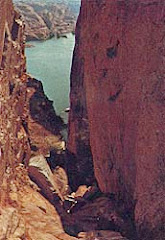
Solomon Wardell
(no photo of Ellen available)
History of Solomon Wardell and His Wife Ellen McKell Matheson

Written by their granddaughter Afton Whitney Hannig

The only dates I have for this history are those taken from genealogical and church records. Whatever else I write is from memory of stories mother told me years ago before her death. I do not remember the proper sequence of these stories, but because they show the faith and courage and kindness of my grandparents, I will write them as I remember them.

My grandfather, Solomon Wardle (Wardell) was born 20 Jul 1841 in Hallgreen, Warwickshire, England. He was the eldest of four children born to John and Sarah (Tracy) Wardle or Wardell. His parent were converted to the Church of Jesus Christ of latter Day Saints in 1847 and left England for America soon after that time. They lived in Illinois and Iowa for several years, and then came to Salt Lake City, Utah in the S. Louis Company, arriving 19 August 1853. They lived in Salt Lake City one month, and then moved to Parowan, Iron, Utah were they made their home and Solomon grew to manhood. He learned to be a shoemaker and a beekeeper, and practiced both trades throughout his life.

However, in his early manhood, he took time from his trades to answer the call of the Church leaders to go back along the pioneer trail to help other saints on their trek to the Salt Lake Valley. It was on One of these trips that he met his future wife, Ellen Matheson.

Ellen McKell Matheson was born 7 November 1848 in Newtyle, Farfor, Scotland. She was one of eighteen children born to Daniel and Catherine (Treasurer) Matheson. However, due to measles and other epidemics and tragedies, only Ellen and five of her brothers grew to adulthood. (Note: Other sources state that they had thirteen children.) Her family accepted the gospel of Latter-Day Saints the year Ellen was born and in due time she was baptized. The story of what is known of her childhood and the journey to America is the history of Daniel and Catherine Matheson, her parents.

Ellen was a girl of fifteen, just blooming into womanhood in 1862 when she, with her family crossed the plains. On the journey, Ellen got the mountain fever (Typhoid?), and in the critical stage of the illness she was thrown into the Platte River as the lurching wagons were crossing the river. She never fully recovered from this accident and illness and was an invalid most of her life. However, in spite of this and other hardships, she lived a useful and a happy life, and was the mother of eight children.

It was also on the trip across the plains that Ellen met the tall, blue-eyed young man who would later become her husband. He was Solomon Wardle and had been sent by the Church Authorities to meet the company of Saints and assist them on their journey to the Salt Lake Valley. A few years later when Ellen was about eighteen, they were married, making Parowan their home when they were not answering the call of Church leaders to help settle other parts of the west.

I believe it was in the first summer or autumn of their marriage that the following incident occurred. Sol and Ellen were living in a cabin up on the mountain when Sol cut wood or timbres. Sometimes it was necessary for him to be gone overnight or perhaps several days. Food was very scarce and they had no leavening of any kind. But Ellen would cook a slab of unleavened whole wheat bread, cut it in squares and put it in Sol’s coat pockets, and that would be his supply of food for the time he would be gone.

Making Lye Soap
On one of these occasions when Ellen was left alone at the cabin she was making soap, having a large kettle of grease and lye bubbling over the fire. While she was stirring and skimming it, a large Indian came to the cabin. He looked in the kettle and thinking it contained molasses, demanded some. Ellen tried to tell him it was soap, but he shouted “White squaw lie, this sorghum,” and grabbing the dipper from her, he took a great mouthful of it. He let out a whoop, and spitting and coughing, he ran into the forest. Ellen was terrified and wondered when he or his people would be back to take revenge on her. In two weeks he was back but not to take revenge. There were still sores around his mouth but in his hand he carried a string of nice trout. Giving them to Ellen he said humbly, “White squaw not lie.”

Before the birth of their first child, Ellen and Sol were helping settle Panguitch. It was at the time of the Black Hawk Indian War and while they were there, the Indians went on the warpath and the settlers were called back to Parowan. It was cold and the snow was several feet deep on the mountain. Sol’s only conveyance was an old horse, so he put Ellen and their few belongings on the horse and he walked leading the lunging animal through the drifts of snow. As a result of this difficult trip, their baby was born before its time, 12 April 1867, and died the same day.

Sol and Ellen made their home in Parowan for the next ten or twelve years where my mother, Julia, and four other children were born. Mother was born 23 June 1868; John Daniel, 5 January 1870; Elizabeth, 7 August 1872; Mary Ellen, 21 January 1875; and Lydia Jane, 19 May 1877.

My mother, Julia, being the eldest of the children was the cook and housekeeper from the time she was six years old since Ellen was an invalid most of the time.

In the spring and autumn when the sheep herds moved between the winter and summer ranges, Julia and the younger children would go out on the hills and gather wool from the bushes where the sheep had passed. Then Ellen and Julia would cord and spin the wool and make clothing for the family.

Solomon Wardell in Shoe Shop
Cowley, Wyoming
Solomon was always at his cobbler’s bench making shoes for the family and for the people of the town, or he would be caring for his bees or working his garden or farm. Food was scarce and sometimes the children went out on the foothills to gather sego roots for the family meal.

I do not know when or where the following incident occurred, but it was when the children were small and I believe it was at their home in Parowan. It shows the great tender heart of Solomon. He often played with the children and on this summer day he was in the yard playing with them when a bluebird lit on the fence some distance away. Sol picked up a stone and in fun said, “Watch me hit that bird.” The children laughed because their father was a notoriously bad shot. But inadvertently the stone hit the bird and killed it. The bird was tenderly buried and it was a sad affair with Solomon and the children all crying. The kind-hearted father never forgave himself.

The following incident shows how the Lord was watching over this good family. Again I do not know if it happened in Parowan or one of the settlements where they had been called. However, it was when Julia was a girl. She idolized her father and when she could get away from the household chores, she would go to the field with him while he cared for the crops. The field was some distance from their home, and on this occasion, a storm had come up and they were walking home together. Sol always carried his tools on his left shoulder and Julia was walking close to him on his left. Suddenly he moved the ax and other tools from his left to his right shoulder. A moment later a lightening bold knocked the tools violently to the ground. Had they been on the other shoulder, no doubt Julia would have been killed or seriously injured. So great was the faith of this good man and his family, they always believed a guardian angel or the Lord had inspired Solomon to move the tools to the other shoulder.

Sometime between 1877 and 1885, Solomon and Ellen received a call to help settle Snowflake, Arizona. I asked my mother why they did not refuse the call since Ellen was so ill. She said that such a thing never entered their minds, so great was their faith in President Brigham Young as a Prophet of the Lord.

So with many other Saints, they arranged their affairs, and the long journey began which would take them over rugged mountains, across the Colorado River at Lee’s Ferry, and over deserts and hills.

Their trip took many weeks longer than expected and the whole company ran out of food. Their plight was desperate so, as was usual with these faithful pioneers, they put their trust in the Lord. The company was called together and they prayed for food to take them to their journey’s end. The next morning they hitched up their teams and wagons and continued their journey through a vast meadow in the Arizona Mountains where the green grass grew tall.

All that day a large fat heifer kept joining the company’s animals. The men and boys would drive it away but it would return. All day they tried in vain to keep the heifer away from the wagon train. When evening came a council was called and since there was no mark or brand on the animal to show that it belonged to anyone, it was decided this was the answer to their prayers. The heifer was butchered and the Saints rejoiced in having food again.

As they approached the town of St. Joseph where the United Order was practiced, they saw a strange sight come over the brow of the hill toward them. It proved to be dozens and dozens of loaves of bread and goodies piled high on a huge wheelbarrow. All that could be seen of the town baker, who was pushing the wheelbarrow, was his high white baker’s hat, so high was the bread stacked. Again, the hungry Saints had cause to rejoice. A scout had ridden into the town to tell the plight of the pioneer company. When they arrived in St. Joe they were given a royal welcome and invited into the big town dining room for hearty meals.

After arriving in Snowflake, Solomon and Ellen and their children lived in a dugout, as did many of the other Saints. Each morning the children went out in the fields and gleaned the heads of wheat after the harvesters had passed. Then they would thresh the wheat and grind it in a small hand operated coffee mill and cook it for their breakfast. What was left was used for the other meals along with sego roots and game. The milk was portioned out to them with a tablespoon.

During the sojourn in Snowflake, another child, Solomon Alexander, was born to Sol and Ellen. Because of her illness, Ellen could not nurse the baby. There was one family in the town who had white flour. I believe their name was Smith. Each morning Sister Smith would send one white biscuit over to the Wardell home. It was that day’s food for the little baby. Mixed with a little warm milk, it was the only thing in the settlement that would agree with him. That one biscuit would set in the middle of the table like a jewel, with the children circling around the table looking longingly at it. But not one of them would touch a crumb of it because that was all that was keeping their baby brother alive.

I suppose there are in every family descended from pioneers, stories and sayings which come out of the regular hazards of pioneer life. Often these events were tragedies or near tragedies, but in the telling they have brought smiles and laughter. In our own family, whenever we children had ravenous appetites, and it seemed to Mama like she was pouring food into bottomless pits, she would say we had a “take-in” like Mrs. Oakley. This always brought gales of laughter from us if thee were friends or strangers among us, it meant a retelling of the story of Mrs. Oakley. If there are descendents of that good woman, I hope they will forgive the telling of the story and realize that we are laughing “with” her and not “at” her. No doubt she and her husband got many a good laugh out of the incident for it was a good trick as long as it lasted, and that was quite a while.

Sol and Ellen were among the victims and the event took place in those difficult days in the pioneering of Snowflake. Food was scarce and what they had was difficult to obtain. In those trying times, there was a couple, Mr. and Mrs. Oakley, who lived in a house surrounded by a high board or slab fence. Mrs. Oakley was supposed to be a very sick woman. Whatever her illness, she seemed to require the very best food and a lot of it. The Saints rallied to the aid of this couple, each family taking its turn and the very best was taken to Mrs. Oakley. If Sol went hunting and brought in game, the choice cuts did not go to the ailing Ellen nor to the hungry Wardle family, but were prepared with care and taken to Mrs. Oakley. Other struggling families took their turns.

This went on for a long time until one day two good sisters bearing the daily gifts arrived at the Oakley home much earlier than usual, and going unnoticed through the accidentally unlocked gate in the slab fence, they knocked on the door. There was no answer and fearing the poor woman had passed away, they went into the house. She was not there. Making their way to the back yard, they were dumb-founded to find Mrs. Oakley in her nightgown, helping her husband life the wagon box up on the wheels. Needless to say, there were no more goodies taken to Mrs. Oakley.

I do not know if the following event occurred in the Snowflake Mission or another, but this story came down to us from Sol and Ellen.

It seems there was an Indian uprising and the Saints had to flee into the forest for protection. In those days the most prized possessions was a feather bed, and the most essential article was a gun.

In the settlement was a Danish couple, and as the Saints hurried for the protection of the forest, Hannah grabbed the feather bed, and her husband took the gun. They scurried from tree to tree, those with guns trying to get a shot at the Indians. Finally, all out of breath, the Danish man said, “Give me the feather bed, Hannah, and you take the gun. I’m so tremble I can’t shoot.”

Fish Lake
So in our own pioneering days when something frightening happened, Mama would calm us down and start the smiles again by saying, “Give me the feather bed, Hannah, and you take the gun. I’m so tremble I can’t shoot.”

The Wardells did not remain in Snowflake to make their permanent home. When their mission was completed, they returned to Utah. Evidently they went to Junction over the Sevier River, for according to my records, the next child, Sarah Alice, was born there 3 June 1885. I do not know if this was another mission, or if they went of their own accord. I have heard my mother speak of their sojourn there, and I believe it was while they lived there that Sol took the family on an excursion to Fish Lake. I remember what an impression that trip made on my mother and the other children.

Ellen M. Wardell 1848-1887
After a time, the family returned to their home in Parowan. In February 1887, my mother, Julia, married Alfred Luke Syphus and went to Panaca, Nevada and then to St. Thomas, Nevada, where they were living when Julia received word of the death of her wonderful mother, Ellen, who passed away 9 Oct 1887. She was laid to rest in the Parowan cemetery near the beautiful Parowan Canyon and hills that the family loved so much, and only a short distance from the home that Solomon had surrounded with beautiful trees, flowers and gardens. Only ten years later, her daughter Lydia was laid beside her.

Solomon was heartbroken after Ellen’s death, and although he tried to hold the family together, it was soon broken up. Some of the older ones going off to work, and troubles besetting others.
Sarah Permelia Holyoak Robb Wardell
In 1890, Solomon married Sarah Pamelia Holyoak Robb, and two children were born to them. Mattie Lorena (12 February 1892) and Joseph Holyoak (6 September 1892). Later the family moved to Wyoming and we must rely on that branch of the family for further history.

Because of poor transportation in those days, mother was out of touch with her family except for occasional letters. Her sister, Mary, married Christian Ronnow and lived in Panaca, Nevada until her death, 15 July 1952.

Elizabeth (Aunt Lizzie) married John L. Edwards and also lived in Panaca. In researching the old Panaca Ward records, I found that Sol and the children had lived in Panaca for a time after Ellen’s death. I suppose it was at this time that the girls met and married the Panaca boys.

John never married and he was a wanderer. Solomon Alexander (young Sol) moved to Wyoming with his father. He married Sarah Alice Robb.

Ellen’s youngest daughter, Sarah Alice, married William McLoud and later Mr. Thompson. She was living in Ely, Nevada at the time of Aunt Mary’s death.

In 1894, my mother, Julia’s, first husband passed away leaving her with three small children. In 1897, she married my father, George Luke Whitney, and in due time we four children came along. I being, the youngest.

In 1914, as usual, we were spending the summer on our ranch in the Bunkerville Mountains, twenty miles from St. Thomas, Nevada. In that year, we were delighted when our grandfather, Solomon Wardle came to spend the summer with us.

Still being proficient in bee culture, he soon had a row of beehives at the edge of the orchard. What an exciting time it was for us children when we helped him find and capture a swarm of bees. And we watched with wonder his skill in repairing our shoes.

On the 12th day of July, Grandpa Wardle ate his breakfast and went over in the field to cut stakes for the string beans. Unaccustomed to idleness, he insisted on helping around the ranch. After he had eaten his noon meal, Mama could see that he did not feel well, but when she talked to him he said he was all right, only had a little hurt in his chest. She persuaded him to go up in a quiet room on the upper terrace and rest before staking the beans. An hour or two later we heard one of our renters scream, and as well all came running, we saw Grandpa, lying on the doorstep.

A few moments later, Solomon had joined his Ellen in the “great beyond” as he lay in his beloved Julia’s arms. He had awakened from his nap and as he came out of the door, he had a fatal heart attack. We were all brokenhearted, for we loved him dearly.

I remember the hurried preparations and the trip into town with Papa and Mama sitting in the wagon seat with we younger children folded into a bed under the seat and the older children sitting besides Grandpa’s body in the rear of the wagon. My teenage brother, Fenton, had been sent to town on a galloping horse to take the news so preparations could be made for the funeral and burial. The weather was extremely hot and with none of our modern facilities, it was impossible to take the body to Parowan or wait for his distant loved ones to come.

The journey to town, the funeral, and the burial had to be done quickly and in the cool of the night and early morning. I remember the funeral on the lawn of our St. Thomas home and the burial up on the hill. But most of all I remember the stories my mother told of her beloved parents, Ellen and Solomon Wardle, and of their fine and happy lives in spite of poverty and illness and hardships. As she told the stories, I could feel her great love and respect and admiration for them in her voice and in the expression of her eyes.
Long after our grandfather passed away, the row of white beehives stood at the edge of the orchard and the old cobblers tools had constant use, but not with the old deft touch. And the things he had planted, grew and grew.

When I visited Parowan several years ago doing research on the Wardle (Wardell) and Matheson lines, a relative told me that Solomon was noted for his green thumb; and that several homes he had made for his family had been garden spots with trees, vines and flowers as well as the essential vegetable garden. I like to think my love for growing things has come to me from him through my sweet mother. She, like her father, Solomon, always had beautiful flowers growing around her.

Jane Tells of Ellen

"Mr. Steamer Chest"
By Julia Whitney 1940
A story about Ellen McKell Matheson written by a great-granddaughter, Julia Whitney Rawlins

“I’m on the list of unrewardables of the family.”

This was Mr. Streamer Chest boasting of his usefulness to Jane. She wasn’t a common Jane with mouse-colored hair and plain features. She was a “flaxen-haired, one-time-pretty-faced” wax doll. Although she bore the marks of hard usage, she still carried herself with the dignity and charm of a large wax doll.

Anyone observing would have noted the look of disgust, followed quickly by tolerance, that passed over Jane’s face. She had been in the family longer and had been a more intimate member of the family than had the trunk, but she said nothing. She was thinking of that crisp October day in 1853, when she was sitting in the shop window, all new and pleasing to the eye. She had been lonely then, but not since.

Steamer Chest became impatient. Why didn’t that Jane say something? His conscience annoyed him, for he was remembering certain things which made him wish he could recall the words just spoken.

He was about to speak when Jane began, “I was thrilled that morning in 1858 when a nice-looking sailor man came in and gave me a critical glance. But the thrill was even greater when Daniel Matheson took me home to his dark-eyed, dark-haired sister.

“Ellen-- for that was her name-- was eight years old. Daniel Matheson was her father and Catherine Treasurer Matheson, her mother. Ellen’s full name is Ellen McKell Matheson and she was the eighteenth child. At Ellen’s eighth birthday, the Matheson’s were still living at the place of her birth, Edinburgh, Scotland.

Long before this birthday was over, I knew my affection for Ellen would never end. I loved her sweet voice and I could listen to her sing hour on hour and never grow weary.

Ellen’s father came home the night after I arrived. He was a jolly, but deeply thoughtful man. He was educated as a Presbyterian minister, and he traveled about, preaching in one of his several languages that suited the audience.

Since Ellen’s mother worked at a factory, we, with the other children of working mothers, spent our time in a day nursery.

A few months passed. One night a Mr. Albert Carrington came to the house and announced himself as a Mormon missionary. The folks (they were my folks by now because I loved them so) my folks invited him in and he talked with us. We liked to listen to him. He had a nice voice and a sincerity of tone that charmed us. He and father had many a discussion of the different phases of the gospel, and since we liked his message, we set a date for our baptism to the church.

Ellen took me with them that day and I witnessed a solemn performance. We all felt it was a great step forward. From this time one, the family worked to one end -- Zion as our Home.”

Then in 1861, we were ready to sail. It was the fall that Ellen was eleven. I shall never forget that long, tedious journey with nothing but water and more water on all sides. It was one time that I was thrilled with my position in the family for seasickness just afflicts mankind.

During those months, Ellen and I had plenty of each other’s company. Most times it was pleasant company but sometimes we got on each other’s nerves. Ellen would often sing for me, so you can imagine that my journey wasn’t always tedious. Ellen was growing prettier, her dark hair growing longer.

We landed at New Orleans and came up the Mississippi. This new land was a mystery to us, but it represented a land of success. It was still winter when we arrived at Winter Quarters, and a good family good us in until that time when we could start for Zion.

All went well for us for a time, but as in most families here, sickness entered the home. Ellen was the victim of typhoid fever. I, for one, was discouraged in the greatest sense of the word. It was nearly time to start across the plains, too.

Then a joyous day arrived. Men and wagons from Utah were ready to start and we were too, except for the fact that Ellen was still ill. But it had seemed such a long wait, and Ellen was in favor of leaving with this company, so we went. It was still cold when we started and the ice on many of the rivers had not broken up. This was the case of the Platte River, so the company was crossing over the ice. But fate was against us. Our wagon broke through, and we were all plunged into the icy water. I never did feel the same after, and it may be said that many anxious hours were spent over Ellen’s bedside. It was during this period of affliction that we became acquainted with Solomon Wardell. He had come to Utah four years before and was now helping the immigrants across the plains. He had been seventeen when he had left England with his parents. He had not quite finished his apprenticeship in England, but he was a fairly good shoemaker.

He came to our wagon often to see how Ellen was and to sheer us up. But when he continued to come after she was well, I began to suspect that I was losing my place in her heart to him. I soon became reconciled to this new condition for he was a fine man.

His parents and he were settled at Parowan. We settled there too. I sometimes suspected a motive, but such is love. Our Parowan home was a one-roomed, log cabin and there was not a great deal of room for me. There was so much to be done that there was no time for me either. In those days, the only time I felt I was needed was when Ellen would have an attack of rheumatic fever caused by her cold dip in the Platte River. At these times she talked with me as in “days of yore.”

Ellen and Solomon were ready to be married when she was sixteen. They were married on June 27, 1867. I remember her homespun dress with its tight waist emphasizing the smallness of hers, and the big full skirt.

Although I was sitting upon a shelf of the new cabin built by Solomon’s father at the time of the wedding, I have heard the story of that wedding many times. The part enacted at the cabin I saw of course.

A portion of the town’s boys -- and not the most gentlemanly portion -- came to the cabin with finely cut horsehair, which they lavishly spread between the blankets of the bed. After accomplishing this delicious task, they went off to lie in wait for the unsuspecting and helpless pair. Solomon was locked in the shoe shop and Ellen guarded in the cabin. After protesting till she was tired, Mrs. Wardell told me all about it. My, I envied her -- I almost wished I had been human, for I was real pretty and surely someone would have had me.

Shortly after the marriage of Ellen and Solomon. Panquitch was being settled, and since Panquitch needed a shoemaker, we were called. The next marker in our lives. (I felt closer to Ellen, now for she enjoyed talking to me while Solomon was at work.) The next marker was that terrible Indian Massacre. We were obliged to pack all our belongings on an old, worn-out mare, our only means of conveyance. We started out in snow up to the horse’s chest. We did have the advantage of the frozen snow most of the way.

So we came back to Parowan and our little log cabin was home once again. This was my period of great rejoicing for our home was blessed with children, first Julia Ann, then John, Elizabeth and Mary. I loved children and though each one had his part to play in the breakdown of my appearance, they loved me.

I have always marveled that people didn’t seem to appreciate the different way that food was obtained here in Parowan. Back in Scotland, every food seemed tame. Here in Parowan we often went out (sometimes to the detriment of my wax body) and gathered salt from the salt flats by Parowan. A little higher up we gathered saleratus to leaven our bread, wild berries represented the fruit, and wild game the meat. Sugar beets were made into sugar for the household. Later sugar cane was raised and molasses became the chief sweetening.

Speaking of molasses reminds me of an Indian story. You see that leech over there by the stove. Ashes are put in it, water poured over them, and the liquid drained off and used for lye in the soap. One day I was sitting in the shade watching Ellen prepare to make soap. She had put the lye on the heat before adding the fat, when an Indian appeared. Now Ellen wasn’t on “Love your Neighbor” terms with Indians, but there was no escape. He came forward, indicated the lye water which had the dark cast of molasses, and said, “White squaw givum Indian peaugament (sweets).” Ellen wishing to live, tried to explain to him that it would burn, “no good for the tummy” and so on. The Indian said, “White squaw lie.”

By this time, I was searching for my sleeve so that I might laugh up it. But I did not wait for my sleeve when he scooped up a wooden dipper of this water and drank it, and then rapidly left the country making queer noises.

Ellen didn’t rest easy after that. She was sure her life would be ended by this Indian if he lived or by his tribesmen if he died. Six weeks passed and he came back. He carried with him a string of twelve or thirteen speckled trout, and his mouth, I noticed, was not what it used to be. He presented the fish to Ellen with, “White squaw no lie. Heap good squaw.” He promised her all the wild game she could use, and he kept his promise. Besides this he gave Ellen the name “White Mother.”

Once again Solomon’s trade led him to a new settlement. He was called to Snowflake, Arizona. We started out with plenty of provision for the trip, but since we had not planned on a two months’ trip, our food ran out. You can imagine our state of mind. There we were in the winter on the road alone, and no food. We solved the problem by calling on the horses and taking their bran from them. As luck would have it, we arrived during the coldest winter in history. Food in this country was scarce this year. Maxcall, a wild plant, furnished food for four days at one time. Grain was among the exceedingly great number of “have nots” at this time.

We lived here three years. Ellen’s health was too poor to permit a longer stay, and the food didn’t help her condition. Therefore we came back to Parowan.

In all these years, I was very happy, for there were children, and I felt life was worth living because I was needed. Lydia, Solomon and Sarah Alice had joined our ranks. Of all the children, I loved Mary the most. You ask why? She was always in trouble and she needed me to comfort her. She has caused me much misery, not only physically, but mentally as well.

I’ll never forget the time when she was two and a small irrigation ditch just about claimed her as a victim. Later when she nearly choked to death on a button she had swallowed, I thought I would go wild. Chest, dear, I know that as much as she loves me and I love her, that she will be the cause of my death.

I have had a grand life, have I not? But I’m tired. I think I shall go to sleep. It is great of you to listen so patiently.” With these words Jane fell asleep, and the chest sat reflecting on what he had just heard.

Epilogue
Some time later, when Julia Ann was going through the contents of the trunk, she found a letter by it. In this letter she found this paragraph: “Jane was right when she said that Mary would be the death of her. The day after our conversation, Mary took her out in the fields under that horrid July sun. When Mary came back without Jane, I knew that her hour had come. A few days later Mary came in with the remains of Jane. It was a sad day for all.”

Solomon Wardell and Ellen McKell Matheson

We have learned a few additional interesting facts about Solomon and Ellen (Nellie) from The Matheson Clan compiled by Veldron and Leslie Matheson

We know that Solomon went back to Florence, Nebraska to help Saints cross the plains on several occasions. He was approximately age 21. On one of these trips he met Ellen McKell Matheson who he married 3 years later.

From Alexander Matheson’s journal (who later became Solomon’s brother-in-law), we learned that the next year he crossed back across the plains to assist another group of emigrants.

Alexander states, “About the middle of March, 1863, Apostle Erastus Snow of St. George, received a call from President Brigham Young to send a train of 40 wagons back to Florence, Nebraska, to bring a number of emigrants to Utah. Apostle Snow received the letter late at night. Early the next morning, he called on me to go as a teamster, which I cheerfully did. I was the first man he called on.”

“There were four mounted horsemen who guarded the cattle at night, Erastus McIntyre, Solomon Wardell, Bill Lytle, and William Alexander. There were four yoke of oxen to each wagon.”

“We left St. George on April 1, 1863. We arrived at the Mississippi River where we waited six weeks for the emigrants to come 200 miles up the river. We started the return trip about July 24th, and we out-traveled every other ox train on the plains that year. We were called, “Hell Saving Dixie.”

“As an example of our energy, every man would have his eight head of oxen picked out of over 300 head and ready to start in twenty minutes from the time they were driven into the corral. This of itself was no small matter. Everything was well ordered and good counsel was always given and generally accepted. Prayers were never neglected, no matter how busy we were.”

In this days, there were enough discomforts in crossing the plains that very few people wanted to return. Obituary notices often said, ‘She walked all the way across the plains.’ Quite so, as there were twelve persons to each wagon. Due to hauling their bedding and luggage, the chances to ride were negligible.”

In Alexander Matheson’s journal, he talked about when the pioneers left Parowan to settle Panguitch. They went to Panguitch in April 1864. Some of the original settlers included Daniel and Alex Matheson. I suspect that Daniel’s wife Catherine was with them. I also would think that Ellen “Nellie” was with them. The pioneers were in Panguitch from 1864 until May 8, 1866 when they were evacuated because of the Black Hawk wars.

Solomon and Ellen “Nellie” were married in Parowan on June 29, 1865. Solomon and Ellen “Nellie” were married at the home of John Wardell (Solomon’s father) by Thomas Devonport in Parowan on June 29, 1865. Witnesses were William Gurr and John Wardell.

In Panguitch, “Some very enjoyable dances were held with music provided by John and Julia Lowder, with Sid Littlefield and Solomon Wardell as fiddlers; John S. Hyatt was caller and master of ceremonies. There were no evening dresses, but everyone dressed in their best as befitted the occasions. The hall was lighted with a few precious candles. Occasionally there would be a minstrel show and other forms of entertainment. There were a good number of fine singers in Panguitch; Lydia (Alexander’s wife) with her sweet singing voice was one of them. A choir led by Thomas Gunn added much to the enjoyment. The only amusements were the simple ones that the settlers could originate themselves.”

The tremendous difficulties that they faced during these years is depicted by the story of Solomon’s violin. A granddaughter stated, “My grandfather did play the violin. He played for dances. My mother tells me that during a trying period he traded his violin for a barrel or sack of flour.”

Solomon was a shoemaker and proprietor of his shoe shop. His Church ordinances and ordinations include:

Elder (Parowan Early Records) no date
Seventy (membership received in Panaca Ward states Seventy, 1888)
Endowment, April 17, 1871, Endowment House
Church Service: Worked for kindred dead in the St. George Temple

“So great was Ellen and Solomon’s faith in the church that they heeded each Church call.”